Coyote hunting gear for cold weather stands has one job: hold heat while the hunter holds still. A stand that runs forty minutes in January is won by layered clothing, windproof shells, calls that still work frozen, and a steady shooting rest. Bells and whistles matter far less than staying warm and quiet. Cold fingers miss coyotes that warm fingers kill.
The regulations frame the season. In Texas, the Parks and Wildlife Department classifies coyotes as nongame animals. A hunting license is required to take nongame species. The agency publishes no closed seasons, bag limits, or possession limits for them. Coyotes may be hunted at any time by lawful means on private property. Other states set their own dates and methods, so the local rulebook comes before the gear list. We covered a connected angle in Hunting Gear for a Full Season: The Layering System That Holds Up.
Coyote hunting gear that holds heat
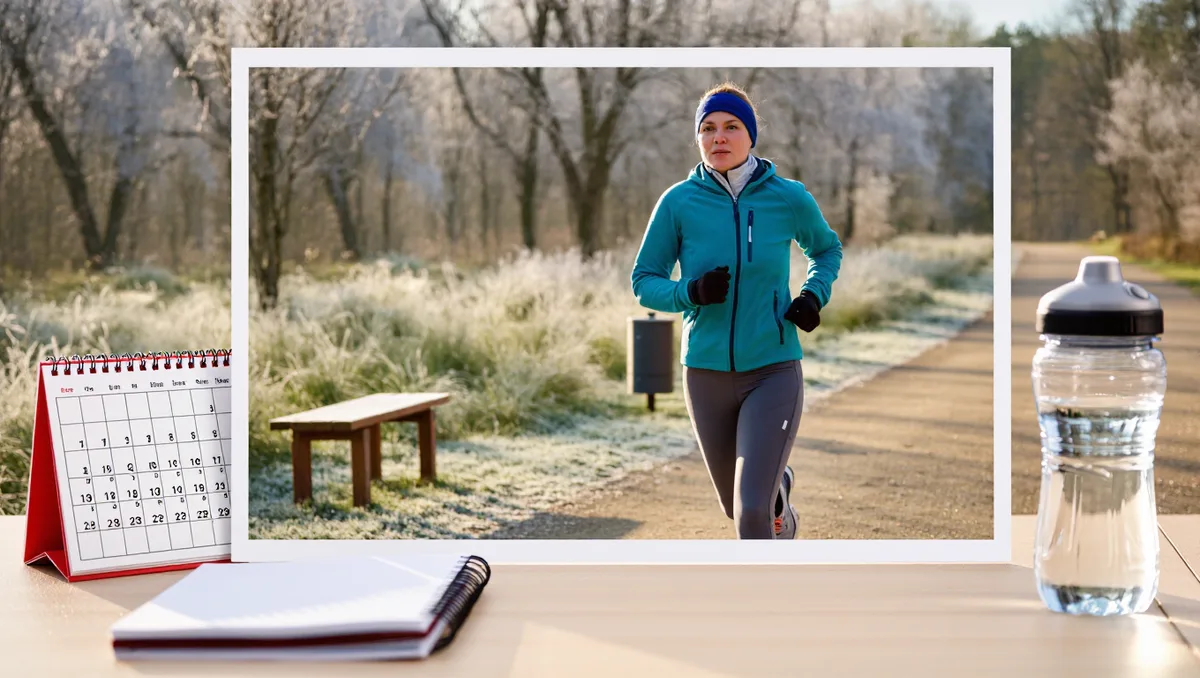
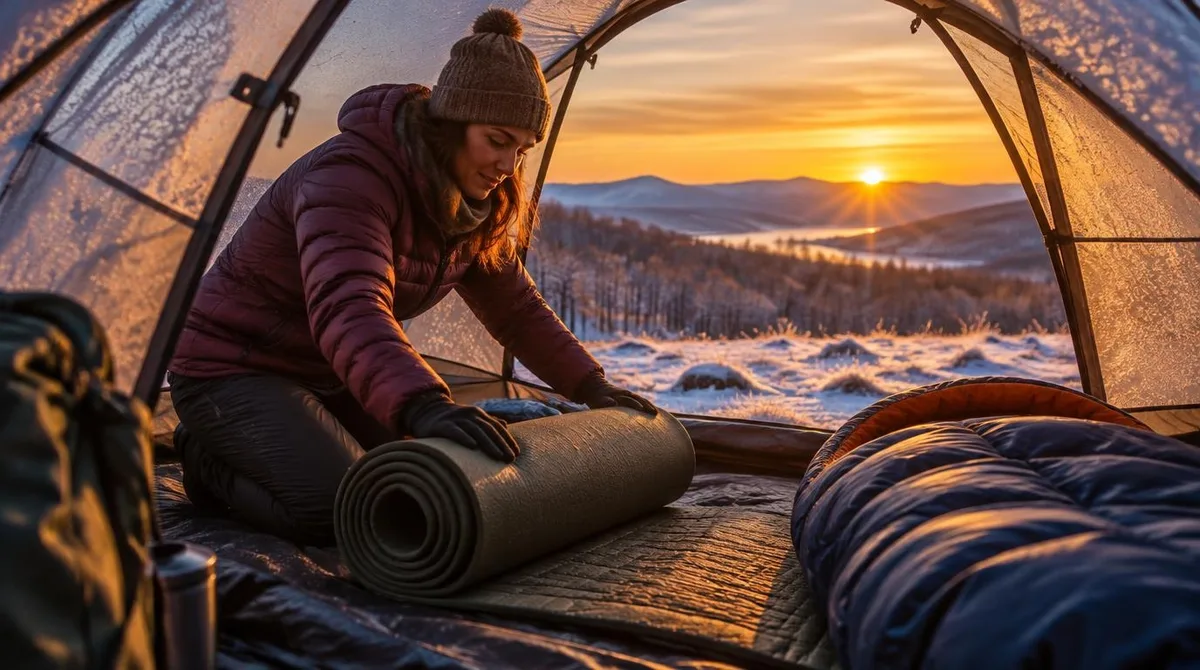
Cold-weather clothing starts loose and layered. The CDC advises several layers of loose clothing for better insulation. A hat and protection for the ears, face, hands, and feet complete the advice. A predator hunter follows that order exactly. A stand allows no walking to warm up. Cotton gets left home, the same as any other cold-weather kit.
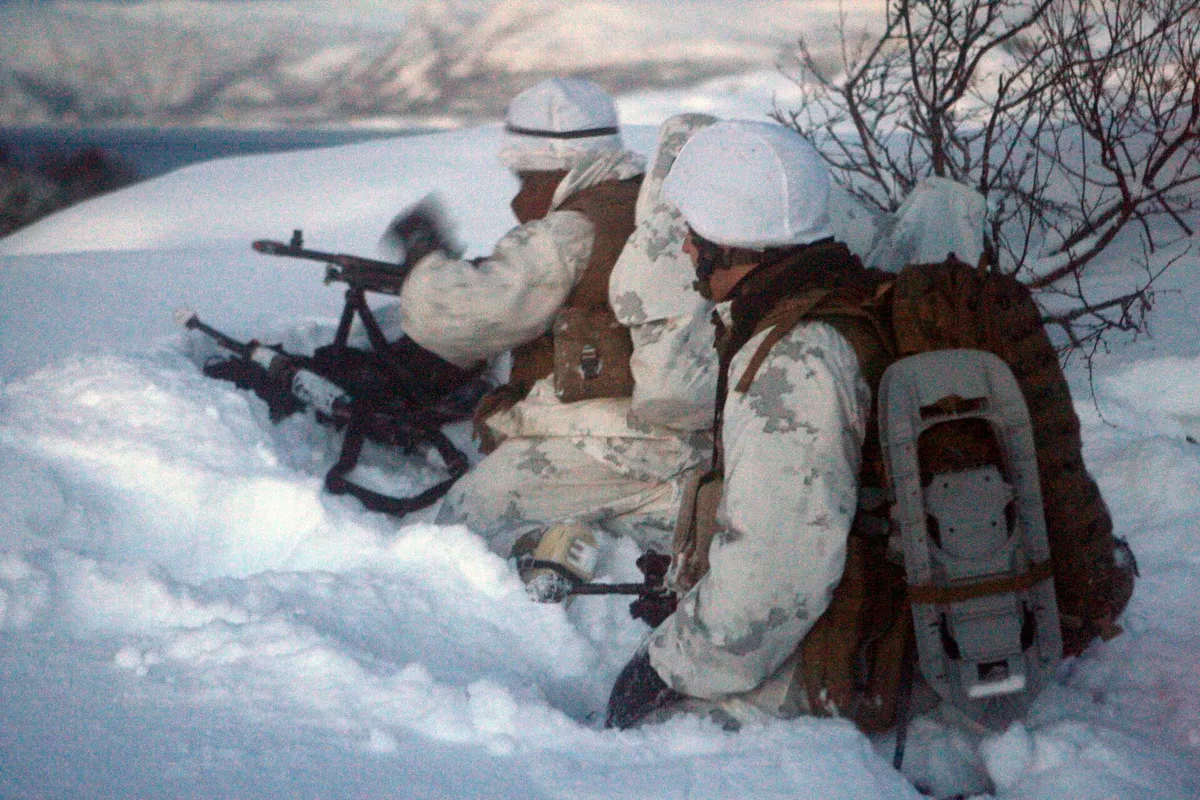
Coyote hunting gear for deep cold pairs a windproof outer shell with heavy insulation underneath. The wind cuts through thin fabric on an open field edge, and it ends stands early. Insulated boots and a thick hat do more for a long sit than any battery-heated gadget. Chemical hot packs in pockets earn their keep, and the CDC suggests carrying spare gloves, socks, and a jacket. The agency also notes that near-freezing temperatures already count as cold stress in regions unaccustomed to winter. Even mild winters deserve respect. A face mask or balaclava covers the last exposed skin on a north wind.
Calls, e-callers, and frozen fingers
Distress calls pull coyotes into range, and cold changes how they work. Hand calls freeze. Reeds stiffen. Gloves fumble mouth call insertion. Many hunters run a remote electronic caller instead, set away from the stand so the sound draws the coyote past the shooter. Frozen lips fumble a mouth call just as badly as frozen fingers.
An e-caller asks for spares: charged batteries and a backup mouth call. Volume gets tuned to the wind. Mouth calls still matter. A flat reed closed call makes rabbit distress sounds with less freezing than a cupped howler, and it fits in a chest pocket next to spare gloves. A howler earns its slot for locating vocals at dusk, when coyotes answer each other across a section.
Shooting sticks, scopes, and lights
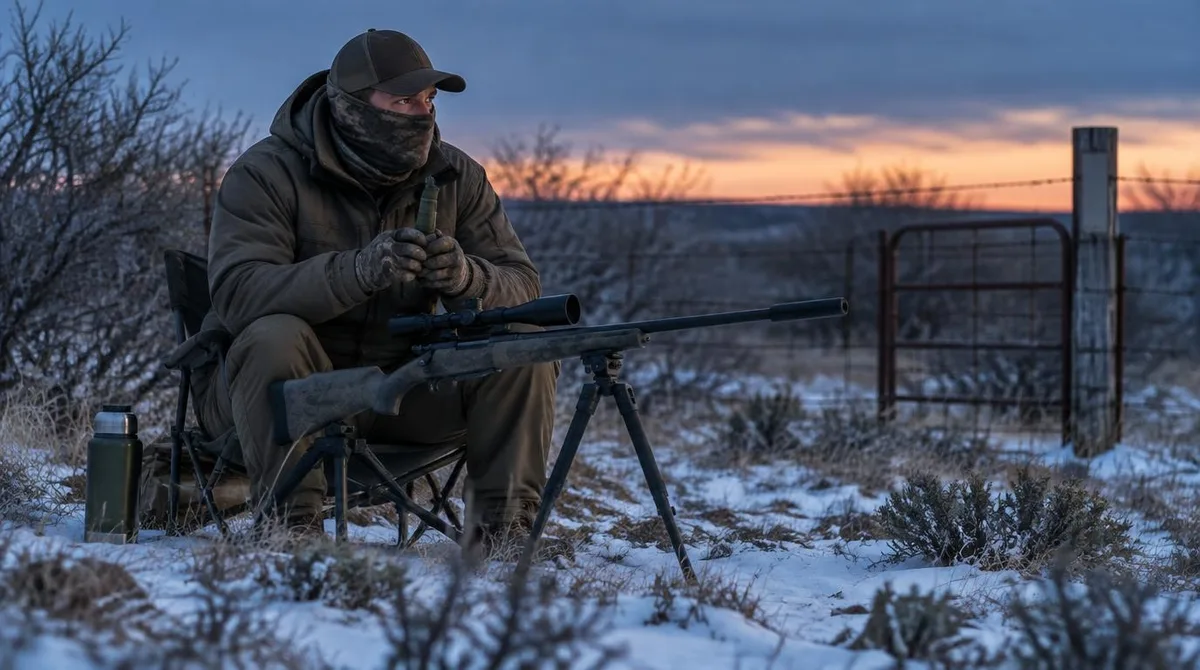
A steady rest turns a long shot into a routine one. Bipods or shooting sticks get planted before the first call. The muzzle then stays on the approach lane with no movement at the wrong moment. A rifle scoped for open country, with turrets or a simple holdover chart, handles the flat shooting predators demand. A rear sandbag on the sticks steadies the stock better than a hard rest alone.
Light discipline matters where night hunting is allowed. Texas asks hunters to contact the local game warden before hunting at night as a courtesy. Some states require specific permits or restrict artificial light. A thermal unit or spotlight used within local law is a tool. The rulebook decides which tools are legal on a given acre.
Rules that travel with the gear
A few regulations shape coyote gear directly. Texas requires no license for depredating coyotes taken on private property with landowner authorization. It is unlawful to transport or sell live coyotes under a statewide rabies quarantine. Public hunting lands may add their own restrictions on calls, lights, and calibers.
Those details belong in the pack as much as the calls do. A printed copy of the state regulations rides along. Landowner contact information stays close. A license sits in the wallet. The hunter who checks the current rulebook each season never loses a night to an outdated assumption. Carcass handling rules can also apply where disease management zones exist.
Conclusion: comfort keeps a stand alive
Coyote hunting gear judged over hard winters comes down to heat, quiet, and steadiness. Loose layers under a windproof shell. Calls that work when frozen. A solid rest for the shot. Warm hands call more and shoot better, and the coyotes keep coming to the ones who stay put. Plan the stand, then plan to sit longer. Readers following this should also see Deer Hunting Gear by Phase: Scouting, the Stand, and Recovery.