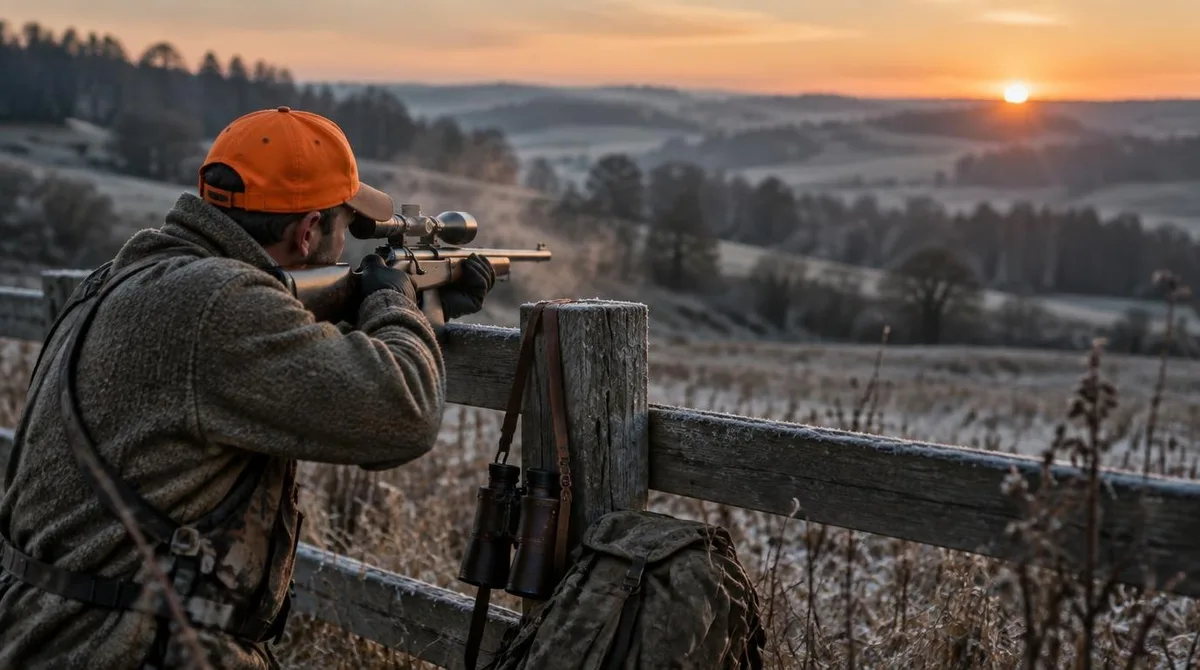
The best rifle for deer hunting is a bolt action weighing 6.5 to 8 pounds with a scope on it, chambered in a mid-tier cartridge from .243 to .30-06, and cut to fit the shooter. Deer fall to plain, accurate rifles: the Savage 110 with its adjustable stock and the Ruger American line are the template, and they cost less than most optics. Lever actions earn their spot in thick timber. The rest of the market is preference.
Fit and weight decide more hunts than brand names do. A rifle carried ten miles gets shot better than one that hammers the shoulder at the bench, and a stock that fits puts the eye behind the scope without a cheek weld hunt. Start with the three variables that matter: action, weight and cartridge.
What Makes the Best Rifle for Deer Hunting
Bolt actions own the category for good reasons. The lock is strong, the bedding is simple, and the design shoots tiny groups for little money. Savage built the 110 as the industry's first hunting rifle with an adjustable stock, and its AccuFit spacers still change length of pull in minutes. Ruger's American Rifle second generation runs variants from Standard to Predator, and the Hawkeye line covers the classic walnut-and-steel buyer.
Other actions have their lanes. Lever actions carry short and point fast in brush, with quick follow-ups. Savage's Impulse shows the straight-pull idea, fast on the second shot. Single shots are light and honest. Modern sporting rifles take deer where law and landowner allow. Any of them work; the bolt gun simply does it for less money and less fuss.
Weight: The Carried Rifle Wins
Six and a half to eight pounds scoped is the sweet spot. Under six pounds, recoil sharpens on a .30-caliber platform and off-hand groups open. Over nine, the rifle steadies beautifully at the bench and drags by the third ridge. Public-land hunters almost always land at the light end of the band.
Balance counts as much as ounces. A rifle that carries its weight between the hands swings to the shoulder naturally, which matters more on a running shot than a quarter-minute of angle ever will.
Cartridge Fit and the Law Under It
Cartridge choice sets the action length and the rifle's whole feel. Short actions in .308 or 6.5 Creedmoor cycle fast and stay compact; long actions in .30-06 give more reach and heavier bullets. Match the chambering to the country hunted: brush and thickets favor big holes and modest speed, open fields favor flat shooters.
The law sits under all of it. Minnesota's rules make a clean example: centerfire ammo of at least .220 caliber with a soft-point or expanding bullet for big game. States differ and rules change, so the agency's current deer regulations settle the question before money changes hands. This connects to our earlier piece, Best Deer Hunting Caliber Picks Ranked by Ballistics and Law.
Fit, Optics and Safe Handling
Fit comes first in the buying order. Adjustable stocks, like Savage's AccuFit V2 and the adaptable length of pull on the AXIS line, let one rifle serve a growing shooter or a family. A 3-9x scope covers nearly every deer situation, mounted low and zeroed at 100 yards.
Handling rules close the checklist. Treat every rifle as loaded, keep the muzzle pointed in a safe direction, and be sure of the target and the background before the shot. The NSSF publishes those basics for every shooter, and no deer rifle is best until those habits are automatic.
Conclusion: Plain, Fitted and Legal
The best rifle for deer hunting is boring on purpose: a fitted bolt action in the 7-pound class, chambered in a legal mid-tier cartridge, wearing a simple 3-9x scope. Check the state rules, zero it, and practice off-hand. Deer have been falling to that formula for a century.